
Early Signs of Hair Thinning You Shouldn't Ignore

Executive Summary: Hair thinning develops gradually, and the earliest clues are easy to overlook until noticeable changes have already begun. Subtle shifts in hairline shape, hair density, and shedding patterns can signal changes worth watching. Vitamin deficiencies, hormonal changes, genetics, and lifestyle habits all play a role. Recognizing these signs early and addressing them gives hair the best chance to respond naturally.
Most people assume hair loss announces itself with a bald spot or a noticeably empty scalp, but that is rarely how it begins. The real story starts weeks or months earlier, in details so minor that they get dismissed as nothing: a hair tie that feels looser, a part that photographs a little wider than it used to. Sometimes the cause is written in your bloodwork long before it shows on your scalp, since vitamin deficiencies that cause hair thinning often go unnoticed until strands start falling.
Your hair follicles send warning signals long before any visible damage sets in, and those signals are far easier to address than a mirror full of regret. The earlier you notice, the more control you keep over what happens next.
What Is Hair Thinning, and What Counts as Normal?
Hair thinning is a gradual process in which individual strands become finer and less dense over time, unlike excessive shedding, which causes a noticeable increase in hair fall all at once. A mature hairline is one of the clearest examples of normal change. It typically develops as the hairline settles into a new position in the late teens or twenties, a natural shift tied to aging rather than any underlying scalp or health condition.
A progressively receding hairline points to a different underlying process. It keeps moving steadily, and the shape shifts unevenly, with the temples pulling back faster than the center of the hairline. This thinning commonly extends beyond the front edge, showing up further back on the scalp as density drops across a wider area. Because this pattern can continue to progress and doesn't usually resolve on its own, it may signal an underlying cause, and getting it checked early helps guide the right treatment choices.
What are the Early Signs of Hair Thinning
Hair thinning usually starts small, long before anyone else notices it in the mirror.
1. More Scalp Showing Under Bright Light
Bathroom lighting has a way of exposing what daylight hides. If you notice more scalp visible along the part or crown than you remember, that is often one of the first physical signs of thinning. It tends to appear gradually, so comparing how your scalp looks now to a few months ago can help confirm the change.
2. A Ponytail That Feels Thinner
Your hands know your hair better than your eyes do. A ponytail or bun that once needed an extra wrap around the hair tie, but now takes fewer, is a common early clue. This change reflects a real drop in hair volume, even before it shows in the mirror.
3. Strands That Feel Finer or Fragile
Hair that once felt thick and sturdy may start to feel finer or more delicate to the touch. This shift usually happens before noticeable shedding begins, since thinning often affects strand texture first. Running your fingers through your hair regularly makes this change easier to catch early.
4. A Hairline That Looks Different in Photos
Photos capture small changes that mirrors often miss day to day. A hairline that looks slightly higher or less full than pictures from a year or two ago is worth noticing. Keeping a few reference photos over time makes this comparison much easier.
5. More Hair in Your Brush or Drain
A gradual rise in the hair left behind after brushing or showering can signal early thinning, especially when it becomes a consistent pattern rather than a one-time occurrence. Tracking this over a few weeks gives a clearer picture than judging from a single bad hair day.
6. A Widening Part or Flatter Hairstyles
Hairstyles that once held their shape and volume may start falling flat earlier in the day. A part line that looks wider than usual often goes hand in hand with this change. Together, these signs point to reduced density rather than a styling or product issue.
Early Signs of Receding Hairline vs Mature Hairline
Not every hairline change signals a problem. Here are the early signs to help you distinguish a normal hairline shift from actual hair loss.
Feature | Mature Hairline | Receding Hairline |
Shape | Even, symmetrical, soft V | Uneven, pronounced M-shape |
Temple pattern | No deep notches | Temples recede faster than center |
Progression | Settles into a stable pattern | Keeps moving higher over time |
Hair behind hairline | Stays thick and healthy | Often thins further back too |
Family history | Not necessarily linked to progressive loss | Often associated with hereditary hair loss |
What Causes Hair to Start Thinning Early?
Thinning before your thirties can have several causes and does not necessarily reflect simple aging.
· Genetics and Family History
For those with a strong genetic predisposition, androgenetic alopecia can begin during the late teens or twenties. If your parents or grandparents thinned early, your hair follicles may carry the same sensitivity to DHT.
· Hormonal Changes
Hormonal shifts caused by pregnancy, thyroid conditions, or polycystic ovary syndrome can speed up thinning well before middle age. These changes commonly disrupt the normal hair growth cycle and may contribute to noticeable hair thinning.
· Chronic Stress
Significant stress can trigger shedding, which may become noticeable after the stressful event and improve once you address the underlying trigger. This kind of thinning can start at almost any age, especially during prolonged periods of emotional strain.
· Poor Nutrition
A diet low in protein, iron, or certain nutrients can contribute to hair loss and affect growth. Crash diets and restrictive eating patterns are common culprits in younger people, especially when deficiencies persist for extended periods.
· Harsh Styling Habits
Tight hairstyles, repeated heat styling, and chemical treatments can weaken hair follicles over time, causing a form of hair thinning known as traction alopecia. This damage can occur alongside other forms of hair loss at different ages.
· Underlying Health Conditions
Certain medications, autoimmune diseases, and thyroid disorders may contribute to premature hair thinning. Getting a proper diagnosis helps rule out these causes before assuming it is simply genetic.
· Vitamin and Mineral Deficiencies
Low levels of iron, vitamin D, zinc, and biotin are common nutrient deficiencies that can cause hair thinning and disrupt normal growth. Each nutrient supports healthy follicles and hair production. A blood test can help identify deficiencies and guide appropriate treatment when needed.
Top Benefits of Treating Hair Thinning Early
Early action on the signs above changes what treatment can realistically achieve, well before thinning becomes obvious.
● Follicles that are still active respond better to treatment than ones that have been dormant for years
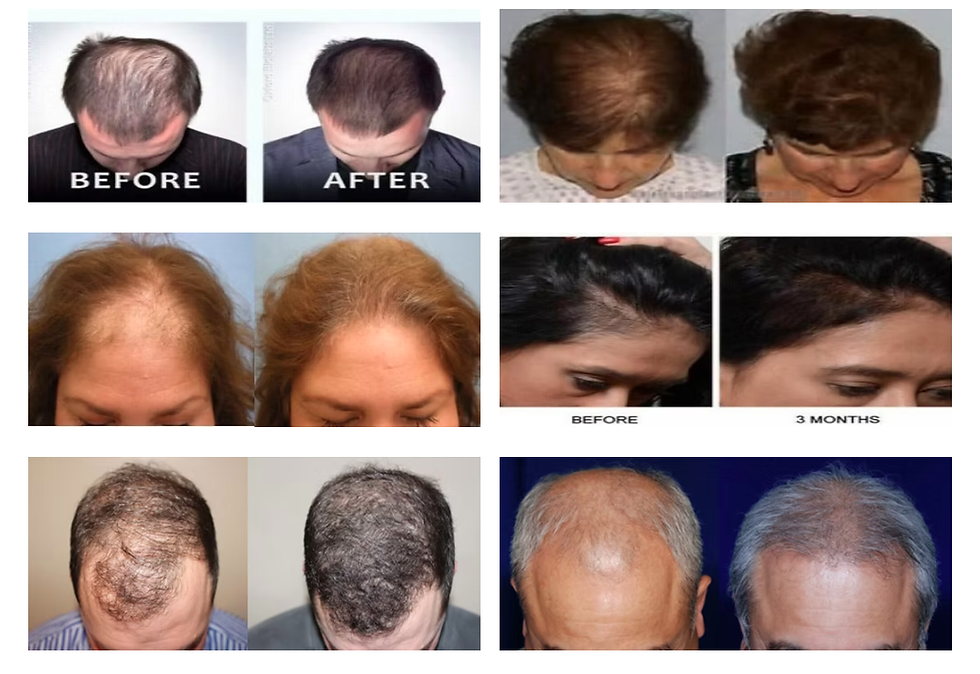
● Early treatment can slow or stop further thinning before it becomes noticeable to others
● Catching a vitamin deficiency or health issue early usually prevents further damage to hair follicles
● Early treatment may help preserve hair before thinning becomes more extensive
● Early action protects self-confidence, since visible thinning can take a real emotional toll over time
Frequently Asked Questions
1. What Changes In Your Hairline May Indicate The Beginning Of Hair Thinning?
A hairline that looks noticeably higher in recent photos, temples that recede faster than the center, or new gaps forming near the front are common early changes to watch for.
2. How Can You Tell Whether A Changing Hairline Is Part Of Normal Maturation?
You can tell if a changing hairline is part of normal maturation by checking if the shift is even, stops within a few years, and stays close to an inch or less. Early signs are mostly about the pattern and how long the change continues.
3. Why Might Hair Begin Losing Density At A Younger Age?
Genetics, hormonal shifts, chronic stress, poor nutrition, and harsh styling habits are among the top reasons hair starts thinning early, especially at a younger age.
4. Which Nutrient Deficiencies Are Commonly Linked To Reduced Hair Density?
Iron, vitamin D, zinc, biotin, and vitamin B12 are among the vitamin and mineral deficiencies that cause hair thinning most consistently, and a simple blood test can confirm which one applies to you.
5. Why Can Addressing Hair Thinning In Its Early Stages Be Beneficial?
Key benefits include a better response to treatment, faster visible results, and less overall hair loss before improvement begins.
Conclusion
Hair does not thin all at once, and that gradual pace works in your favor when you pay attention early. A wider part, a hairline that looks different in photos, or a ponytail that feels thinner are all worth noticing, not dismissing. Understanding the benefits of treating hair thinning early can help you act while your follicles are still responsive and your treatment options remain broad. The earlier you start, the more of your hair you may be able to preserve.
More of your hair stays yours when you act while follicles are still responsive. Dr. Jay Goldstein uses growth factor concentrate therapy for hair to support those follicles exactly when they need it. Reach out today for a plan built around timing that matters!


Comments