
Female Pattern Hair Loss: Causes, Treatment Options, and What Actually Works in NJ

Executive Summary:
Female pattern hair loss is a gradual, progressive type of thinning strongly influenced by genetics, with hormonal changes also contributing in some women. It typically affects the top and central scalp, often causing a widening part while the frontal hairline remains relatively preserved.
Female Pattern Hair Loss
Your hairbrush shouldn't feel like a crime scene, and your shower drain shouldn't leave you doing math in your head. Yet here you are, slowly catching your reflection and noticing your scalp showing through in ways it never did before. Maybe it started as a few strands on your pillow, or your part looks wider than you remember. This moment sneaks up on so many women, quietly at first, then all at once, and it can feel isolating.
It's not vanity to notice, and it's not something you brought on yourself. Thinning hair in women has real causes, and understanding yours is the first step toward taking back your confidence.
What Is Female Pattern Hair Loss?
Female pattern hair loss, medically known as androgenetic alopecia in women, is a gradual thinning that typically starts along the part line and spreads outward. It's characterized by reduced density near the crown, while the front hairline usually stays intact. This is one of the biggest differences between how thinning shows up in women compared to men.
This condition is progressive, meaning it worsens gradually rather than appearing overnight. A study published in the Journal of the American Academy of Dermatology shows prevalence climbing steadily with age, starting around 12 percent in women between 20 and 29 years old and rising to over half of women past 80. That steady climb is exactly why catching it early matters.
How the Thinning Process Works
This type of hair loss involves something called follicular miniaturization. Each growth cycle produces a slightly thinner, shorter strand than the last. Eventually, some follicles stop producing visible hair, though they rarely vanish completely. That detail matters because it means treatment can still help even years after noticeable thinning begins.
What Causes Thinning Hair in Women?
Several factors overlap among the most common causes of female pattern baldness, and identifying which ones apply to your situation shapes the entire treatment plan.
Genetics
Family history plays a significant role. If your mother, grandmother, or aunts dealt with thinning hair, your own risk climbs considerably. Inherited sensitivity in hair follicles causes them to shrink gradually with each cycle.
Hormonal Shifts
Hormonal changes can influence hair growth. Female pattern hair loss (FPHL) becomes more common after menopause, while pregnancy and childbirth can also trigger temporary shedding known as telogen effluvium. Conditions such as PCOS may also be associated with androgen-related hair loss. Doctors often describe this as hormonal hair loss, a pattern many women notice first during major life transitions such as menopause, pregnancy recovery, or a PCOS diagnosis, rather than as a slow change that unfolds over decades.
Stress and Lifestyle Factors
Chronic stress can push follicles into a resting phase prematurely, triggering a condition known as telogen effluvium. This differs from genetic thinning, though the two often occur together, so a proper scalp evaluation is necessary to distinguish between them.
Nutritional Gaps
Nutritional deficiencies, particularly iron deficiency and inadequate protein intake, can contribute to hair shedding in some women. However, supplements should generally be used when a deficiency has been identified rather than assumed to be the cause of FPHL. These gaps are especially common among women who follow restrictive diets or experience irregular menstrual cycles.
Underlying Medical Conditions
Thyroid disorders and autoimmune conditions can both contribute to hair thinning in women. According to the American Hair Research Society, a thorough workup typically includes thyroid function tests, a complete blood count, and serum iron levels to rule out treatable causes before assuming the thinning is purely genetic.
Treatment Options Worth Considering
Once the underlying cause is identified, finding the right treatment options for hair loss in women becomes far more effective than guessing your way through drugstore products. The table below breaks down the most commonly recommended paths for addressing thinning hair.
Treatment | How It Works | Best For | Typical Timeline |
Minoxidil | Helps stimulate hair growth and prevent female pattern hair loss from worsening | Female pattern hair loss | 6–12 months |
Prescription medications | Medications such as spironolactone can help restore hair growth and prevent further loss | Some women with female pattern hair loss | 6–12 months |
PRP Therapy | Uses a patient's own blood platelets, which are injected into the scalp to potentially stimulate hair growth | Some women with female pattern hair loss | Timeline varies; evidence is still preliminary |
At-home laser devices | Low-level laser light may stimulate new hair growth | Some women with female pattern hair loss | Varies; continued use is required |
Hair transplant | Moves healthy hair follicles to areas affected by thinning | Selected women with sufficient donor hair | Varies |
Female pattern hair loss is progressive, and early treatment generally offers a better opportunity to slow further loss and support regrowth. AAD recommends starting treatment at the first sign of hair loss.
How This Differs From Male Pattern Baldness
Many women assume their experience will mirror what happens to men, but the two conditions differ in several meaningful ways. Male pattern baldness usually creates a receding hairline along with a bald spot at the crown. In women, the pattern spreads more evenly across the top of the scalp, while the hairline typically remains where it started.
This distinction matters for treatment planning. Diffuse thinning calls for a different approach than a receding hairline, even though both share some underlying hormonal mechanisms tied to a hormone called DHT.
Understanding your pattern of hair loss is the first step toward choosing the right treatment. If you're noticing gradual thinning or a widening part, schedule a consultation for PRP hair restoration in New Jersey with Dr. Jay Goldstein and explore an approach tailored to your hair restoration goals.
Can Female Pattern Hair Loss Improve?
This is a question many women ask, and the honest answer depends heavily on timing.
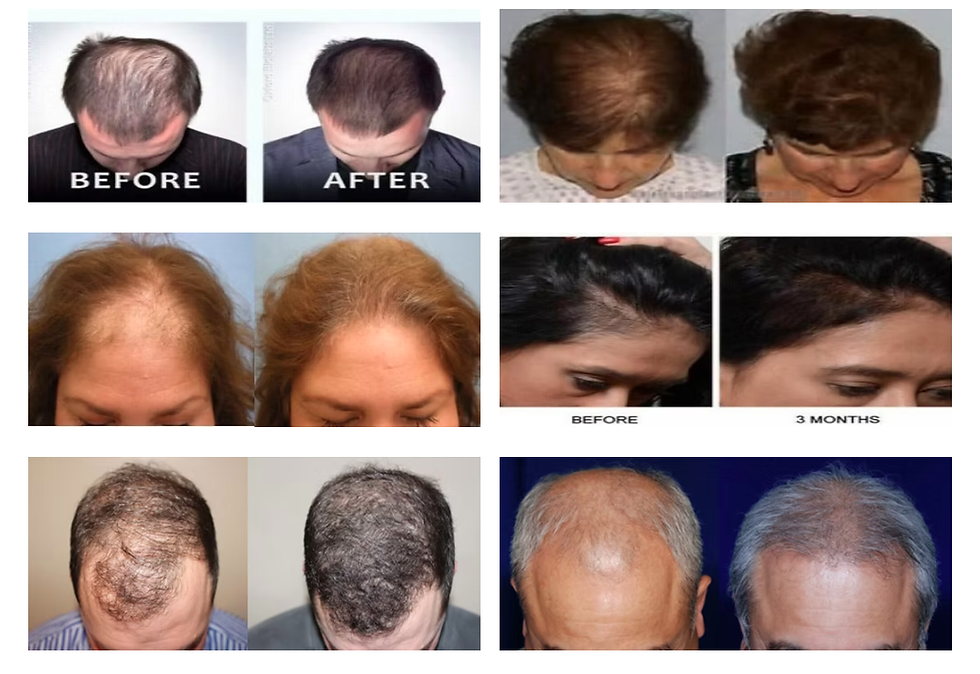
● Treatment can slow progression and may improve hair density in some women, though the degree of regrowth varies from person to person.
● Earlier treatment generally works best, offering a better chance to preserve existing hair and improve density before follicles decline further.
● Long-dormant follicles are harder to revive, though not always impossible to bring back.
● Acting sooner leads to better outcomes. Waiting years to address visible thinning reduces the number of follicles still capable of responding once treatment finally begins.
Why Working With a Specialist Matters
Generic advice rarely solves a condition this personal. A qualified specialist evaluates your scalp, reviews your medical history, and often orders bloodwork to rule out treatable causes like thyroid dysfunction or low iron before recommending a plan. If you're researching female hair loss treatment options in NJ, that kind of thorough evaluation matters far more than guessing based on what worked for a friend or a product you saw advertised online.
Real value comes from a provider who explains what's actually happening with your scalp, walks you through your bloodwork, and builds a plan around your specific cause. Look for someone with hands-on experience in regenerative treatments like PRP and GFC, since hair restoration is a specialized field that most general practitioners rarely focus on.
Frequently Asked Questions
What causes female pattern hair loss?
It's typically caused by a combination of genetics, hormonal shifts, and follicle sensitivity to hormones like DHT. Stress, nutritional deficiencies, and certain health conditions may also play a role.
How is female hair loss different from male pattern baldness?
Female hair loss usually causes diffuse thinning across the top of the scalp while the hairline stays mostly intact. Male pattern baldness typically involves a receding hairline along with thinning at the crown.
Does hair loss in women grow back?
In many cases, yes, especially when treatment begins early and addresses the underlying cause. Follicles dormant for a long stretch are harder to revive, which is exactly why earlier treatment tends to produce stronger results.
What is the best treatment for thinning hair in women?
There isn't a single best option for every woman. PRP therapy, GFC, topical minoxidil, and nutritional correction all work differently depending on the root cause, so a personalized evaluation determines the most effective route.
Can hormonal changes cause permanent hair loss?
Hormonal shifts can cause significant thinning, but permanence depends on how long the follicles have been affected. Addressing hormonal imbalance early, alongside treatments like PRP, often prevents long-term follicle loss.
When should a woman see a doctor about hair loss?
A woman should see a doctor as soon as she notices increased shedding, a widening part, or visible thinning that doesn't improve with basic hair care changes. Earlier evaluation opens up more treatment options and leads to better outcomes.
Final Thoughts
Thinning hair in women is common, treatable, and far more manageable than most people assume once the underlying cause gets identified. Genetics, hormones, stress, and nutrition all play a role, and the right path forward depends on which of these factors apply to your specific case. Options such as minoxidil and PRP have evidence supporting their use in selected women, while newer regenerative approaches such as GFC are still being studied. Acting early preserves more follicles that can respond to treatment, so don't wait until the problem feels overwhelming before asking for help.
Thinning hair can have several causes, so getting the right diagnosis is an important first step. Connect with a hair loss doctor near you at Dr. Jay Goldstein's practice to understand what's contributing to your hair loss and explore a treatment plan tailored to your needs.


Comments